

From Hadesh Vol. 1, Iss. 9 - Calendar
By: Rabbi Isaac Ludmir
The ancient peoples of the Near East did not expect their gods to be silent or cryptic. Unlike the gods of Iron Age Greece and Rome, the gods were not abstract subjects of debate but present, uncontestable, and active personalities which constantly, publicly, and clearly expressed their preferences, opinions, wishes, and political stances. In other words, they were as real to the average man as the President of the United States is to the common news consumer.
From ancient Mari to the Neo-Assyrian Empire, the Kings were in receipt of Divine messages declaring their legitimacy. Dictating new laws and decrees and reaffirming their commitment to the king and his dynasty. Prophets and seers were common and part of the royal retinue. The prophets of Israel repeatedly speak of competition by false prophets, whether those claiming to speak in the name of God or others.
To extract speech from the lips of an Ancient Near Eastern deity was not a simple task. It required specialized status and knowledge of the “mouth-opening” ceremony by which the god was said to inhabit the statue or cult item as a body and speak through it in a manner audible to the priests or king who then could proclaim the will of the god to the city.
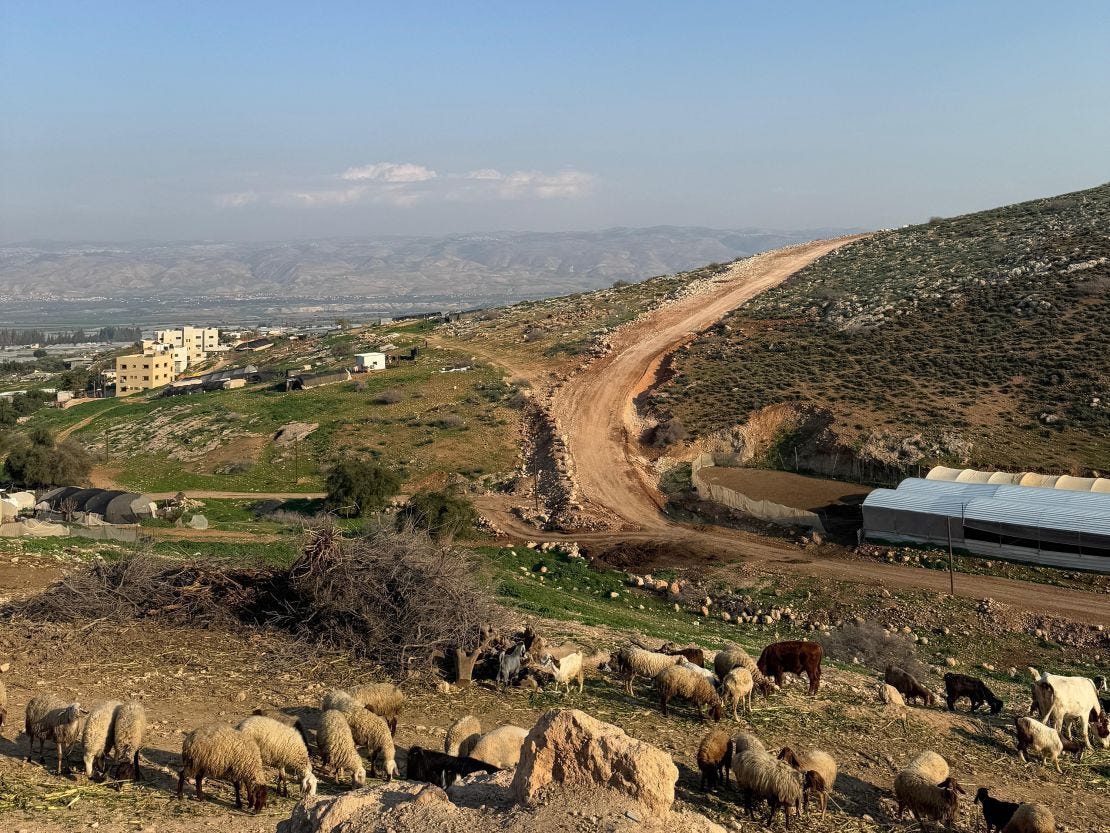
In addition, since prophecy and divine speech were associated with the temples and royal courts, they were almost exclusively an urban phenomenon (indeed the countryside did not exist as an autonomous category since it was merely the agricultural property of the city).
The uniqueness of Israelite religion was not the presence of its prophets but in the understanding of the Divine speech they carried. Rather than being mere messengers, they believed their role to be more elevated and terrifying in proportion to how God Eternal was more elevated and terrifying than all other gods. While other gods existed as perceptions, ideals, and distant figures, the God of the Israelite prophet was a real presence and close by. He was never passive. His speech and visions, rather than being symbols of meaning, were instruments of action, and therefore, the prophet was not merely conveying communication but an active partner or envoy executing the Divine Will by the very act of giving voice to it. This is the reason that the Israelite Prophet alone, of all the seers and soothsayers of the Ancient Near East, is a miracle worker in his own right.
Thus, for instance, not merely the great miracle working prophets of the North, Elijah and Elisha, but also the geopolitical doomsayers of the South:
GOD reached out and touched my mouth, and GOD said to me: Herewith I put My words into your mouth.
See, I appoint you this day
Over nations and kingdoms:
To uproot and to pull down,
To destroy and to overthrow,
To build and to plant.
Jeremiah 1:9-10
The dedication message is clear: The prophet himself is tasked with uprooting, pulling down, destroying, overthrowing, planting, and building up whole nations. This is achieved by either the prophet himself being originally formed for purpose (the most radical option present in Jeremiah 1:5), the prophet’s speaking faculties being purified (as in Isaiah 6:5-7), the prophet consuming God’s word (as in Ezekiel 2:8-10, 3:1-3 and in Elijah’s second dedication I Kings 19:5-6), or the prophet being clothed in the divine spirit (as in the case of Elisha, II Kings 2:8, 2:13-14). In all these cases, the prophet is endowed with the operative force of God’s speech and thus can command “nature” (or rather, God’s various vassals such as rain, heavenly fire, and so forth1).
If we wish to understand the cause for such a unique class in Israelite religion, we must return to the point which we raised in the introduction: Ancient Near Eastern deities required professionals to “open their mouth” and to magically bind them to their earthly cultic items and statues. The reason is clear once we understand the simple division of the world in the Ancient Near East between the realms of Man, the gods, and death. The first two realms existed in the same physical plane but were not identical. The realm of the gods was, so to speak, on the other side of the rain, in the mists of the mountain just out of view, overlapping but not separable from the lands of man. The land of death (Mwth / Mot) was the ultimate “Yonder”. Strange, horrifying, and dangerous to gods and men alike.2 However, the most important thing to our discussion was that the gods could be, temporarily, called over to the human realm to inhabit the human side of their houses and bodies (i.e. the Temples and statues). It is important to note that this ritual is not essentially different from the ones by which witches and warlocks3 were believed to bind the spirits of men in figurines in order to gain power over them (as is evident in the text of the Maqlû or “Burning” ritual intended to “burn” the witch and unbind the victim4).
The Israelite view differed. Heaven was not some distant realm, but God was sitting in His house or tabernacle “in the lands of the living” (Psalms 116:9) where He “set a table” (Psalms 23:5) before His favorites whom He ransoms (Psalms 49:16, Hosea 13:14) or rescues (Psalms 91:15) from the “Sheol” (Underworld, “the Demanding”) and its monstrous inhabitants, and assembles to “their fathers in peace” in a condition resembling life in all things, except the Favored are largely invisible to the living. Therefore, God was near and available and so was His word. His authority was not over minor gods appointed over nature but over the very forces and physical components of the world: the foundations of the earth, the mountains, the sea and so forth. Such immediate authority could then be lent to the prophet – who takes the place of the minor gods in pre-Israelite mythology, the Qedoshim “Holy/Called Ones” and take their place “In the Great Meeting of the Holy Ones”5 as a plenipotentiary intermediary between God and Israel, who are expressly called to become the “Qedoshim” or “Holy Nation” (Goy Qadosh), and therefore can take their place as “sons of God” (Deuteronomy 14:1) instead of the minor deities of old (e.g. Genesis 6:2 and Job 1:6).
Thus we find ourselves upon the foot of a great and awesome sight: The King of the Universe does not merely allow the common Israelite to approach His mountain, His house, His table, but makes said common Israelite a member of his mythic household.
He deposits in the Israelite prophet’s hands and mouth His speech, or Spirit, which is not only both efficient for the production of wonders and the elimination of enemies and corruption, but is also satisfactory, nourishing and fertile.
It is a “fire or a hammer which breaks the rock” (Jeremiah 23:29) but also “water, wine and milk” given “free for no silver”, “rain and snow” which “comes down” freely from Heaven and which nourishes the earth and produces “seed for the sower and food for the hungry.” (Isaiah 55:1-2,10).
Let us bend our ears to listen. Perhaps the voice did not go out completely. Perhaps we can still hear the call upon the heights.
A note: Elijah is unique in the fact that he enjoyed three separate “dedications”: His “standing before the Lord”, his eating of the coal-cake, and the crossing of the Jordan.
A major plot point in the Baal Cycle is Baal-Hadad descending “to the chambers of death” and El rising to rescue him.
Compare Hebrew מכשף to the āšipu priest who conducted the initial sanctification of the god-statue.
The binding of a god to his statue and of a human to a witchcraft figurine almost mirror each other.
Psalms 89:8